
In today’s fast-paced business environment, managing inventory efficiently is no longer optional—it is a necessity. Companies that still rely on traditional methods often struggle with inaccuracies, delays, and operational inefficiencies. This is where Inventory Management Software plays a transformative role. By replacing manual tracking systems with automated solutions, businesses can streamline operations, reduce costs, and improve overall productivity.
The Limitations of Manual Inventory Tracking
For years, businesses depended on spreadsheets, paper logs, and basic record-keeping practices to manage inventory. While these methods may seem cost-effective initially, they often lead to significant challenges as operations grow.
Manual tracking is highly prone to human error. A small mistake in data entry can result in stock discrepancies, overstocking, or stockouts. Additionally, updating inventory records manually is time-consuming and limits real-time visibility. Businesses often face delays in identifying low stock levels, leading to missed sales opportunities.
Some common drawbacks of manual systems include:
Lack of real-time inventory updates
Increased chances of data errors
Difficulty in tracking multiple locations
Time-consuming stock audits
Limited scalability as business grows
According to industry insights, businesses relying on manual inventory processes can experience up to 30% inefficiency in stock management due to errors and delays.
The Shift Towards Automation
As businesses expanded and supply chains became more complex, the need for automation became evident. Inventory Management Software emerged as a solution to eliminate manual inefficiencies and provide accurate, real-time data.
Automation allows businesses to track inventory levels, manage orders, and monitor stock movements seamlessly. Instead of relying on periodic updates, companies can access live data, enabling faster and more informed decision-making.
The transition from manual to automated systems is not just about convenience—it directly impacts profitability and customer satisfaction.
Key Features of Inventory Management Software
Modern Inventory Management Software offers a wide range of features designed to simplify inventory operations and enhance efficiency. These features help businesses maintain control over their stock while reducing operational risks.
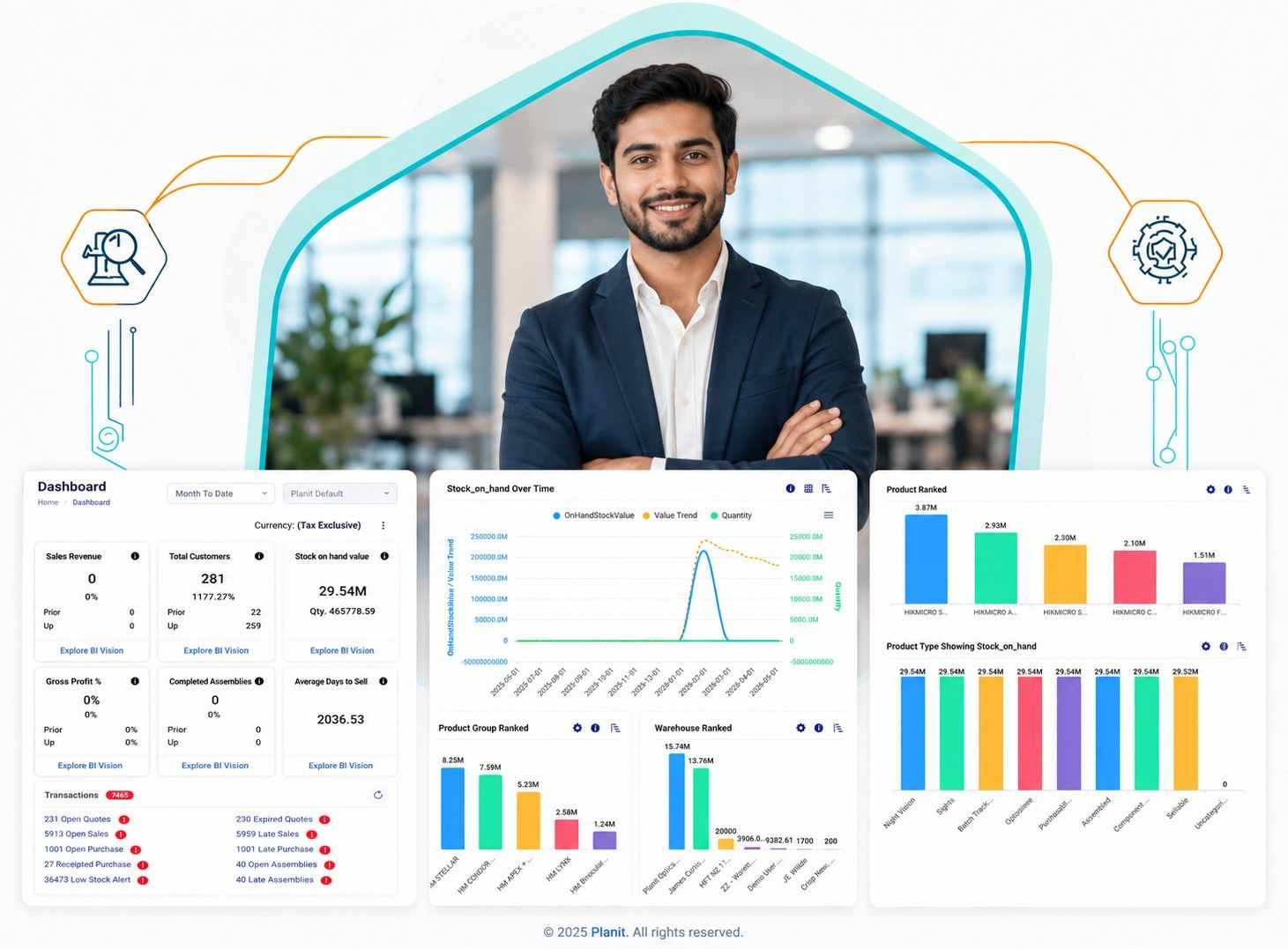
Real-Time Inventory Tracking
One of the most valuable features is real-time tracking. Businesses can monitor stock levels instantly, ensuring accurate inventory records at all times.
Automated Stock Alerts
The software sends notifications when stock levels fall below a predefined threshold. This helps prevent stockouts and ensures timely replenishment.
Barcode and RFID Integration
Automation tools often support barcode scanning and RFID technology, making it easier to track products and reduce manual errors.
Multi-Location Management
For businesses operating across multiple warehouses or stores, managing inventory from a centralized system becomes essential. Inventory Management Software enables seamless tracking across all locations.
Reporting and Analytics
Advanced reporting features provide insights into sales trends, stock movement, and demand patterns. These insights help businesses optimize inventory levels and reduce wastage.
Benefits of Implementing Inventory Management Software
Adopting Inventory Management Software offers numerous advantages that go beyond basic inventory control. It enhances overall business performance and supports long-term growth.
Improved Accuracy
Automation significantly reduces human errors, ensuring that inventory data remains accurate and reliable.
Cost Reduction
By minimizing overstocking and stockouts, businesses can optimize their inventory costs. Efficient stock management also reduces storage expenses.
Enhanced Productivity
Automated systems save time by eliminating manual data entry and repetitive tasks. Employees can focus on more strategic activities.
Better Customer Satisfaction
Accurate inventory data ensures that products are always available when customers need them. This leads to improved order fulfillment and customer trust.
Scalability
As businesses grow, their inventory management needs become more complex. Inventory Management Software is designed to scale with business requirements, making it a long-term solution.
Real-World Impact of Automation
Many businesses that transitioned to automated inventory systems have reported significant improvements. Studies indicate that companies using automated solutions can reduce inventory carrying costs by up to 25% and improve order accuracy by more than 40%.
Automation also enables better demand forecasting. By analyzing historical data, businesses can predict future demand and adjust their inventory levels accordingly. This reduces waste and ensures optimal stock availability.
Challenges in Implementation
While the benefits are substantial, implementing Inventory Management Software may come with certain challenges. Businesses must plan carefully to ensure a smooth transition.
Some common challenges include:
Initial setup and integration with existing systems
Employee training and adaptation
Data migration from manual records
Cost of implementation for small businesses
However, these challenges can be managed with proper planning and the right technology partner. The long-term benefits far outweigh the initial investment.
Best Practices for Successful Adoption
To maximize the benefits of Inventory Management Software, businesses should follow a strategic approach during implementation.
Clearly define inventory management goals
Choose software that aligns with business needs
Train employees for effective usage
Regularly monitor and update inventory data
Use analytics to make data-driven decisions
By following these practices, businesses can ensure a successful transition from manual processes to automation.
Future Trends in Inventory Management
The future of inventory management is driven by advanced technologies such as artificial intelligence, machine learning, and cloud computing. These innovations are making Inventory Management Software even more powerful and efficient.
AI-driven systems can predict demand with greater accuracy, while cloud-based platforms allow businesses to access inventory data from anywhere. Integration with other business systems, such as accounting and supply chain management, is also becoming more seamless.
Additionally, automation is evolving to include smart warehouses and IoT-enabled devices, further enhancing inventory visibility and control.
Why Businesses Should Act Now
In a competitive market, businesses cannot afford to rely on outdated methods. Manual inventory tracking not only limits growth but also increases operational risks. Transitioning to Inventory Management Software is no longer just an upgrade—it is a strategic necessity.
Companies that adopt automation early gain a competitive advantage by improving efficiency, reducing costs, and delivering better customer experiences. Delaying this transition can result in lost opportunities and decreased profitability.
Get Started with the Right Solution
Choosing the right Inventory Management Software is crucial for achieving the desired results. Businesses should look for a solution that is user-friendly, scalable, and equipped with advanced features.
For organizations looking to modernize their inventory processes, PlanIT offers a reliable and efficient solution tailored to meet diverse business needs.
Mobile: +91-9958474631
Email: sales@plan-it.pro
Conclusion
The journey from manual tracking to automation marks a significant milestone in business growth. Inventory Management Software not only simplifies inventory operations but also empowers businesses with real-time insights and better control.
By eliminating manual errors, improving efficiency, and enabling data-driven decisions, automation transforms inventory management into a strategic advantage. Businesses that embrace this change are better positioned to thrive in an increasingly competitive landscape.
Investing in Inventory Management Software is not just about keeping up with technology—it is about building a smarter, more efficient, and future-ready business.


Write a comment ...